30 天,一个展览。
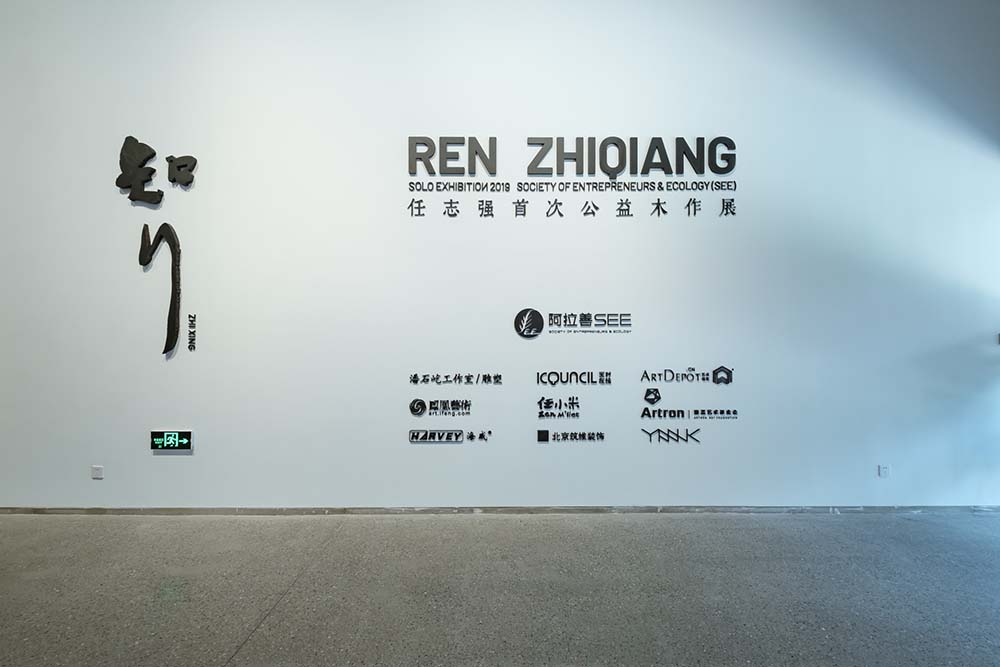
Ren Zhiqiang spent decades as one of China's most outspoken real estate figures. After retirement, he found a new language — wood carving. What started as a hobby quickly became an obsession. In a short span, he produced enough work to fill a room.
The brief: turn that room into an exhibition. The deadline: 30 days from empty shell to opening night.
30 天,一个展览。
任志强做了几十年中国最具锋芒的地产大佬。退休后,他找到了一种新语言——木雕。起初是爱好,很快成了痴迷。在很短的时间里,作品多到需要一个房间来放。
需求:把这个房间变成展览。期限:从毛坯到开幕,30 天。
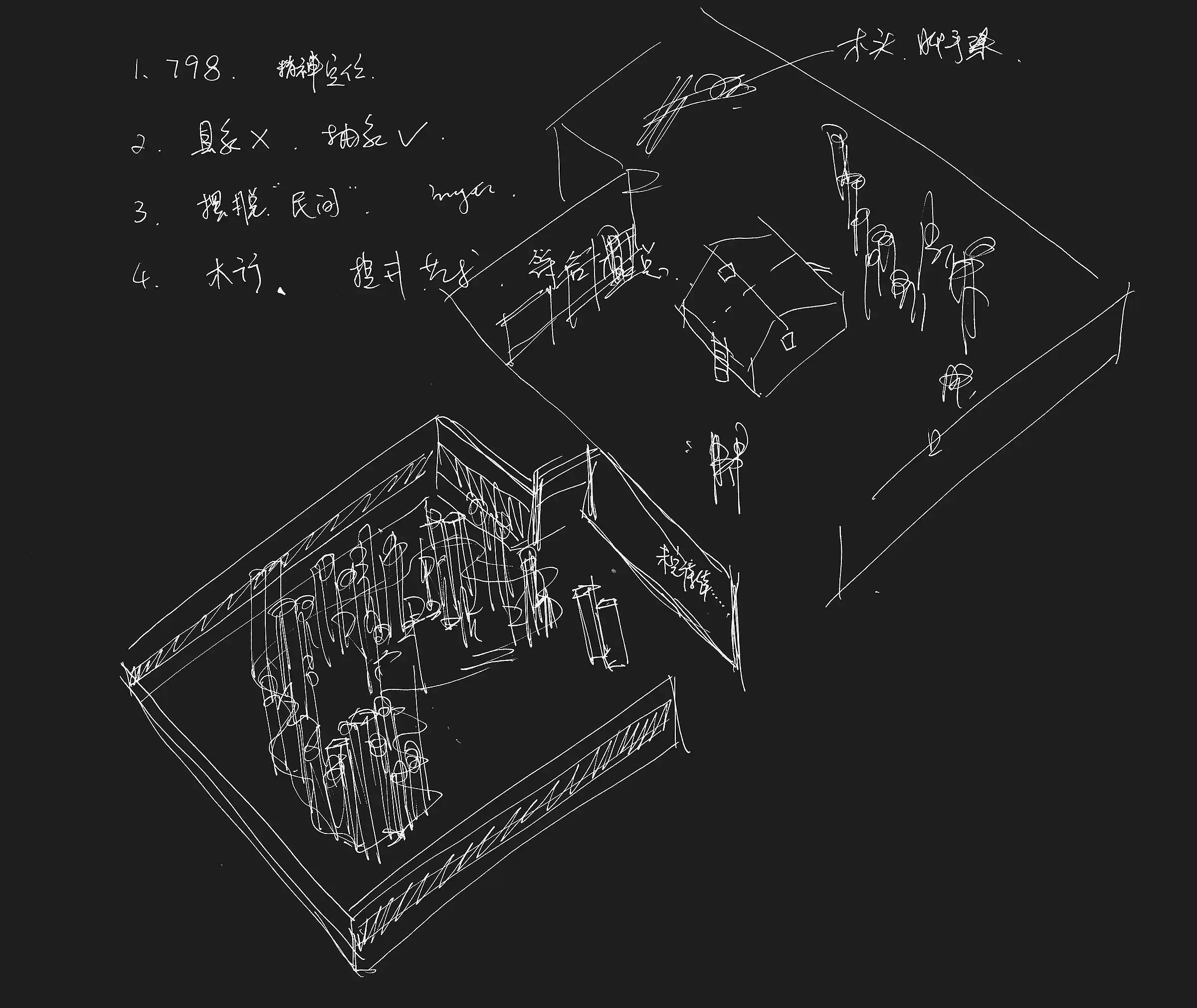
搭建之前,先有草图。
Thirty days leaves no room for vague ideas. One hand-drawn plan placed every work, set the rhythm, and gave the entire build a place to begin.
搭建之前,先有草图。
30 天,不允许想法含糊。一张手绘布局确定每件作品的位置、整个空间的节奏,也给所有工作一个明确起点。
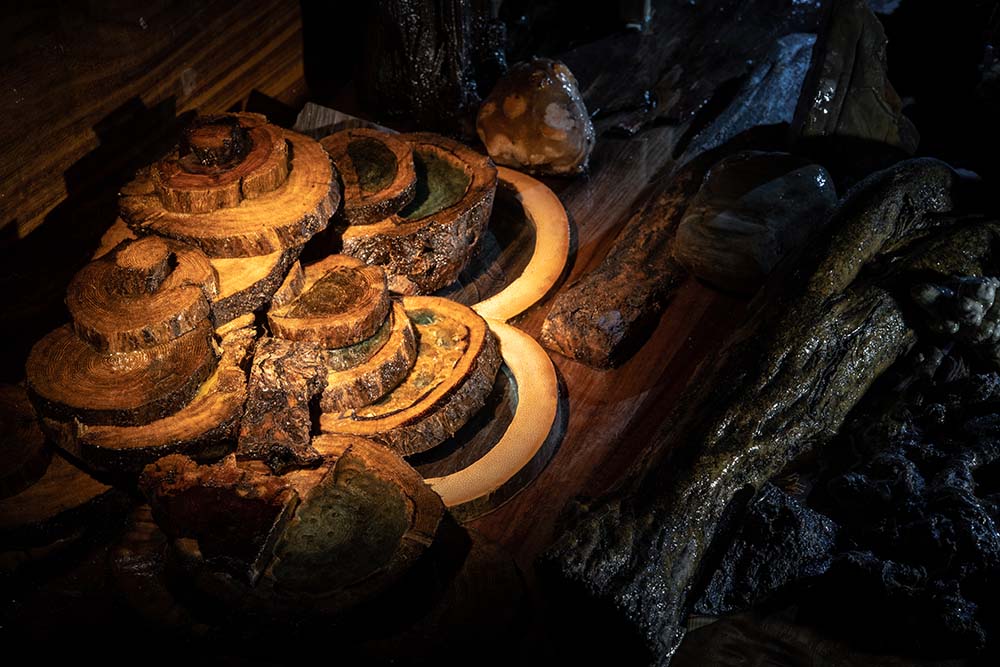
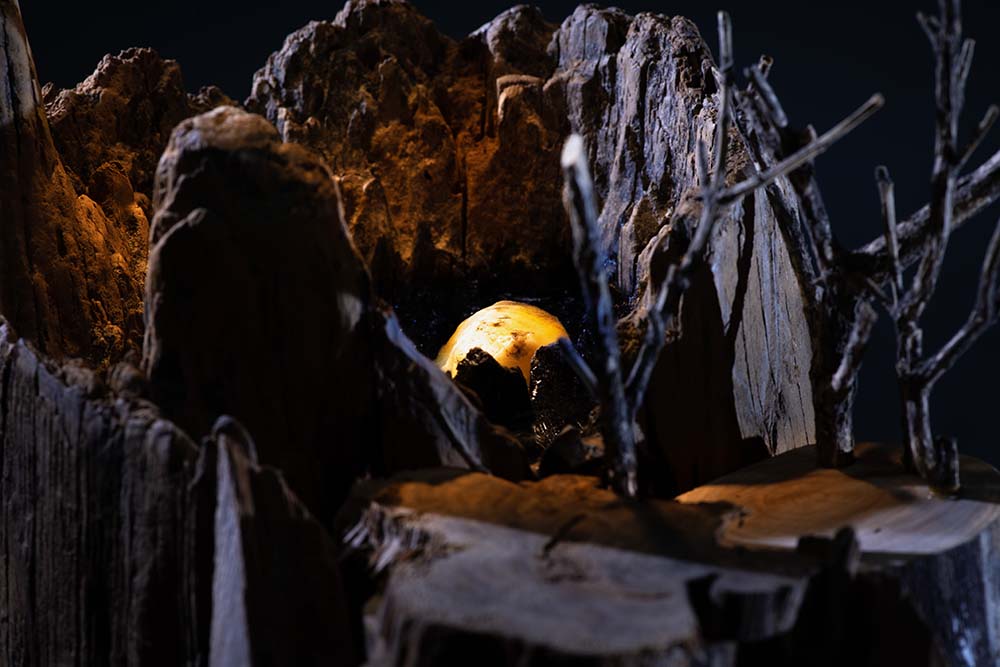
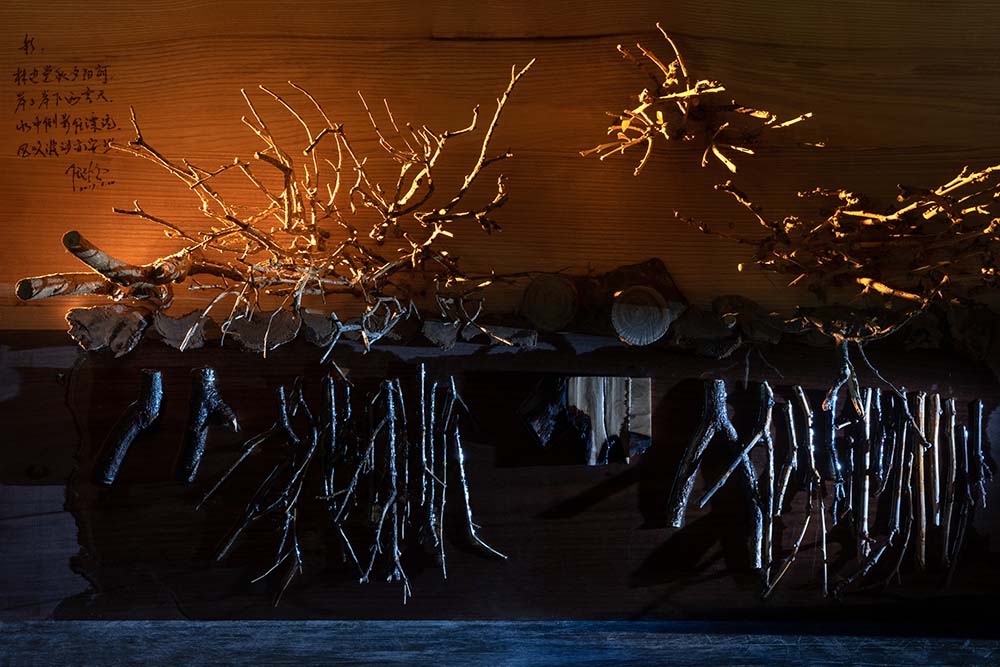

木头,不说话。
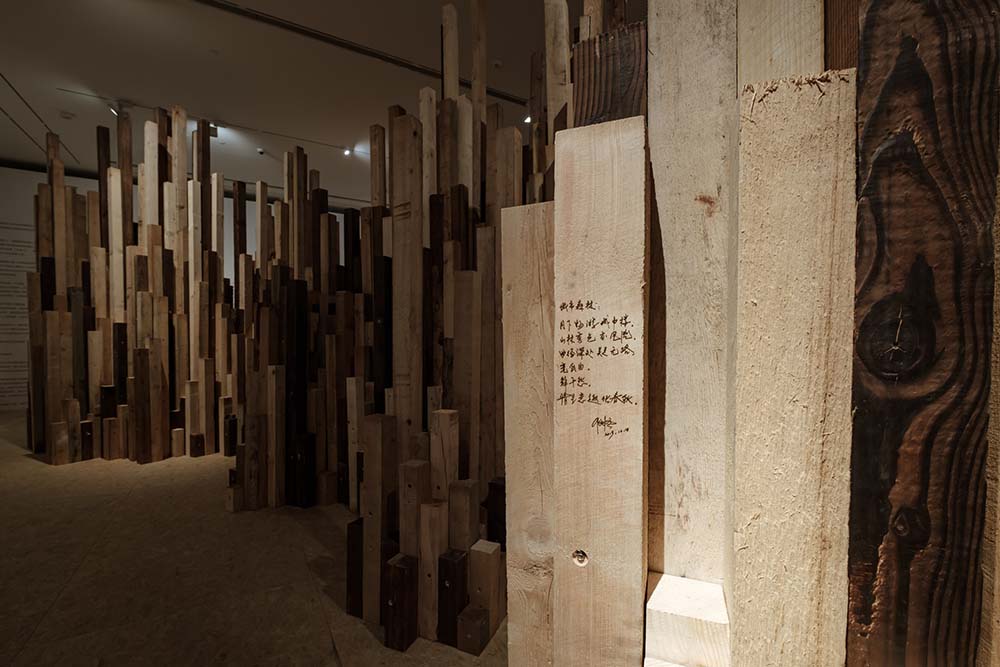
Ren Zhiqiang is known for many things — real estate, debates, headlines. But in this room, he was just a craftsman. Each piece, carved by hand. No brand. No politics. Just wood.
木头,不说话。
任志强被很多人熟知——地产、争论、头条。但在这个房间里,他只是一个手艺人。每一件,亲手雕刻。没有品牌。没有争议。只有木头。
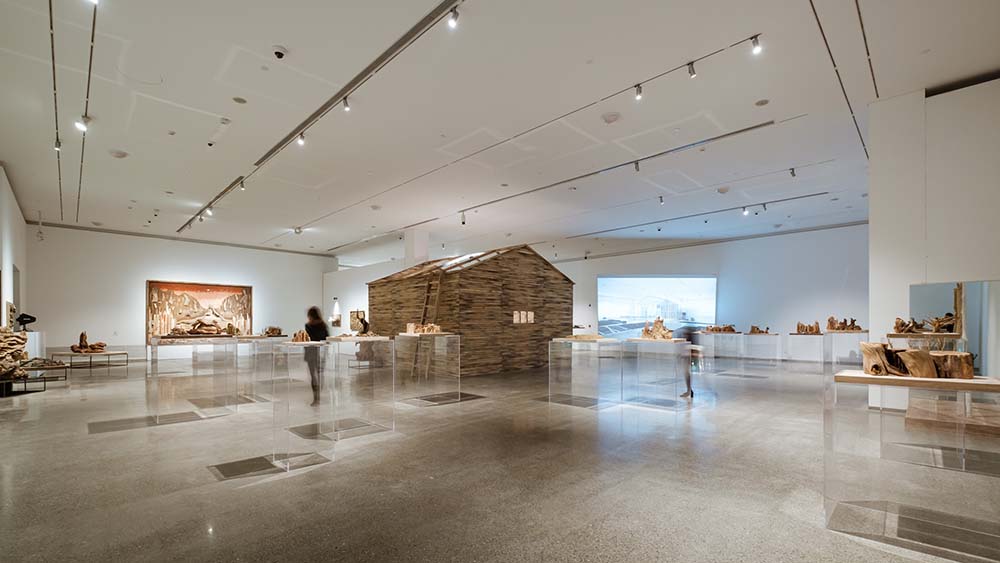
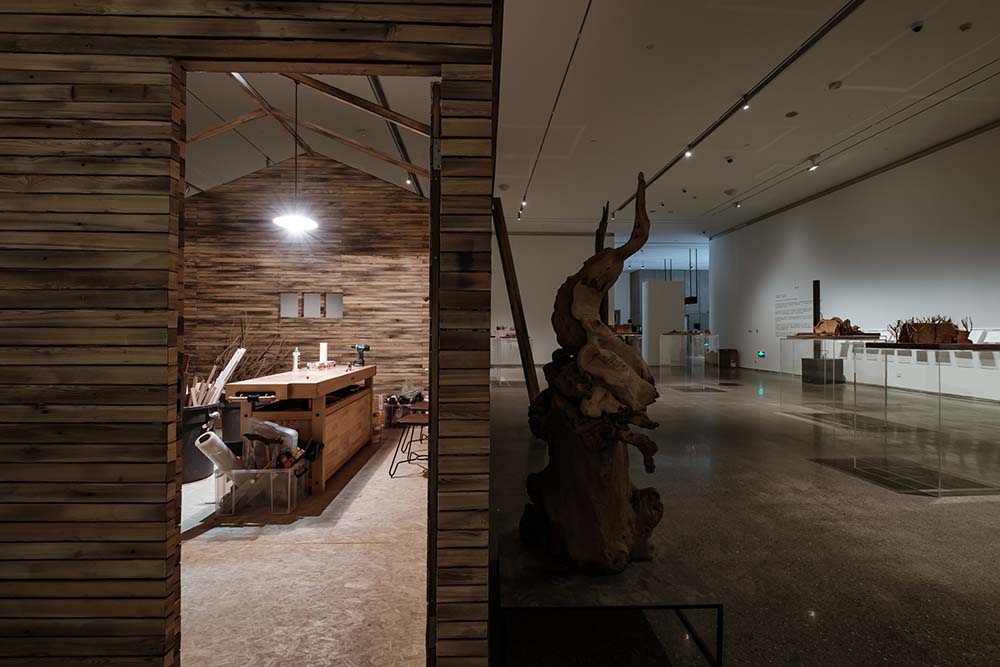
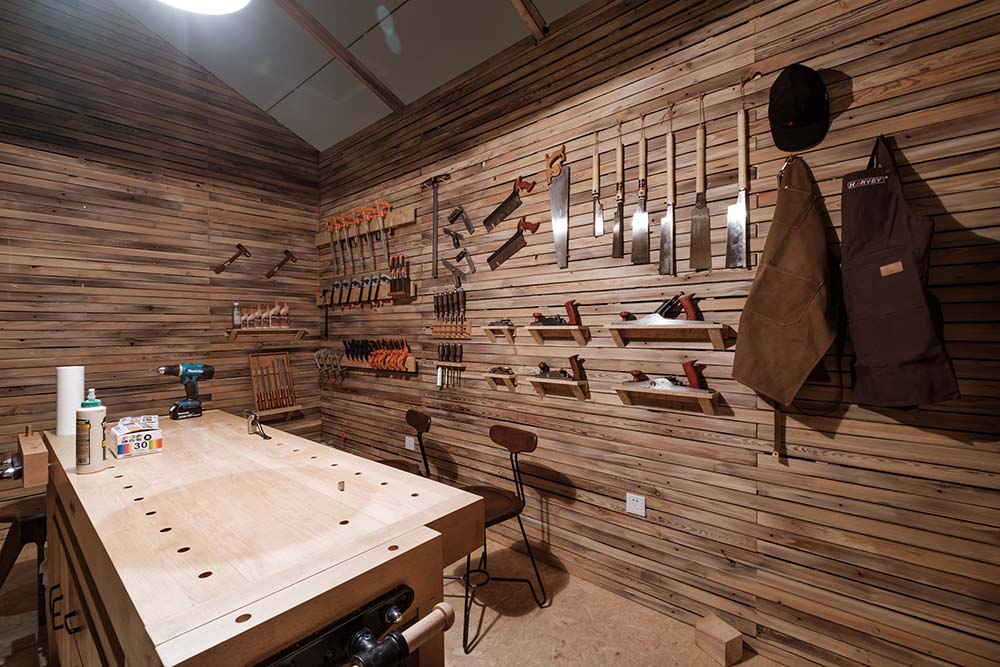
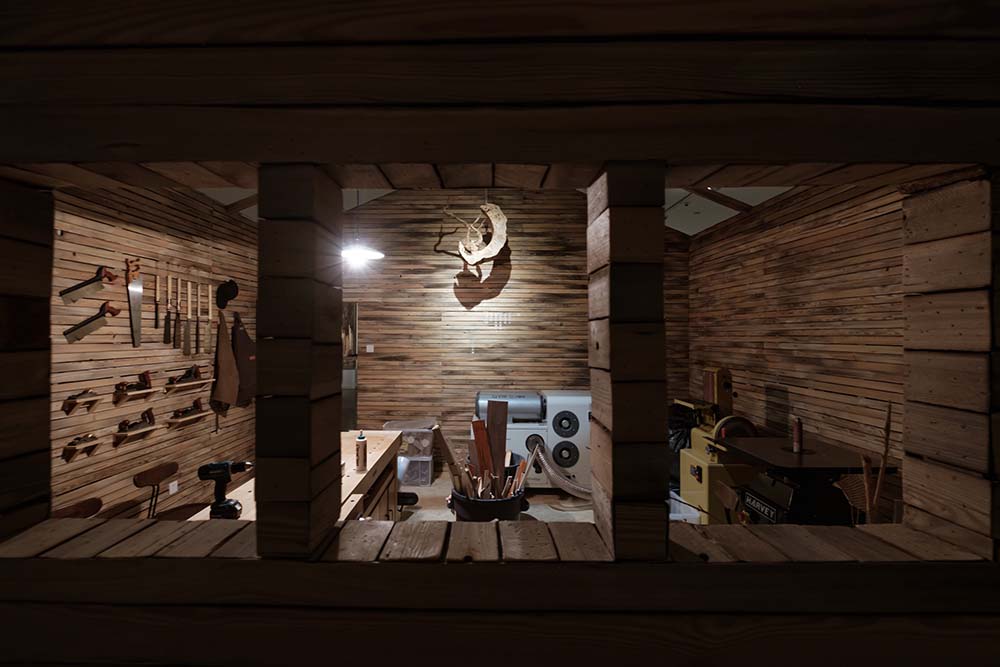
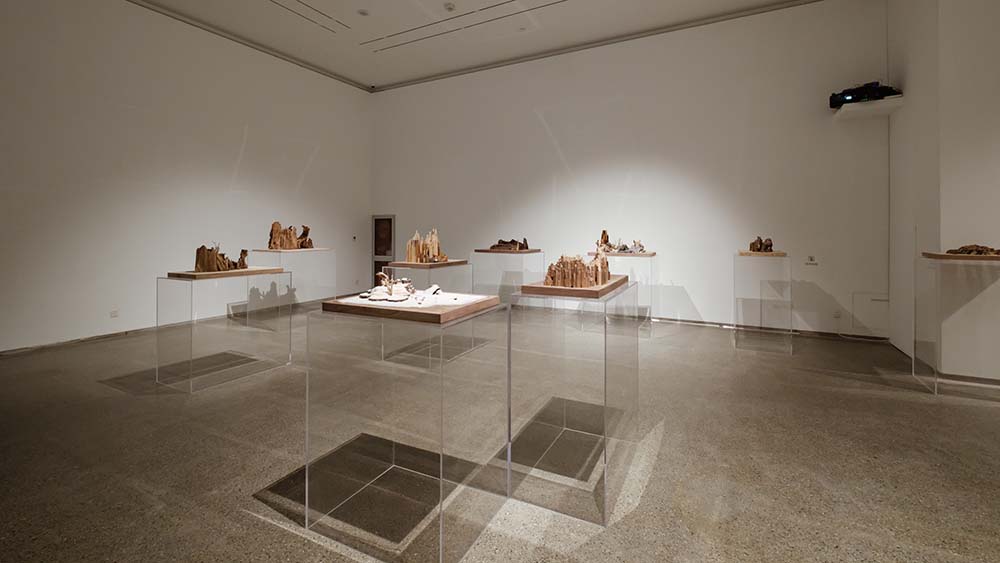
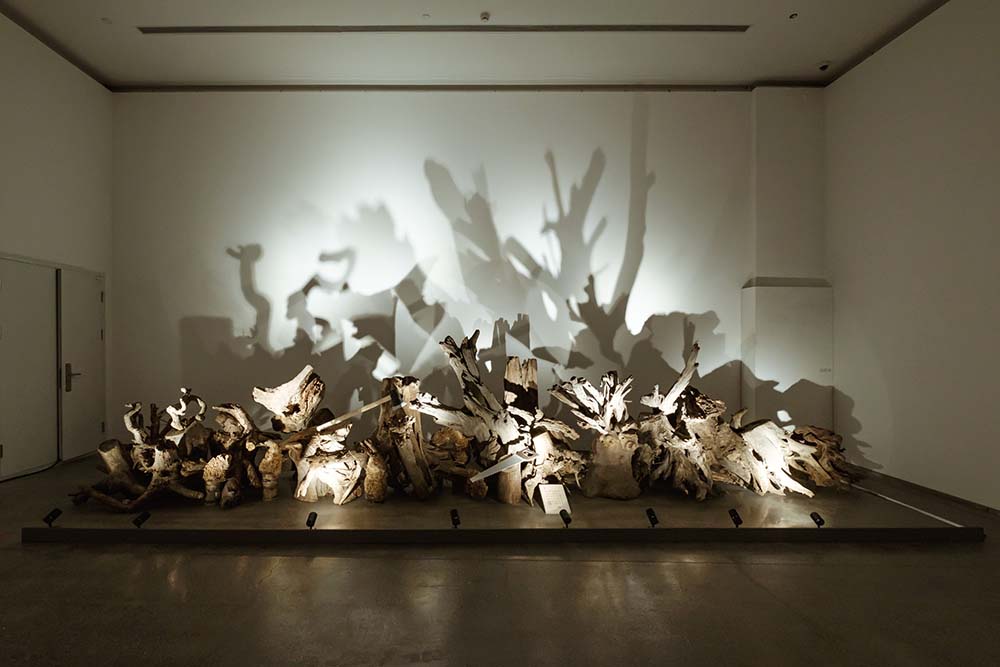
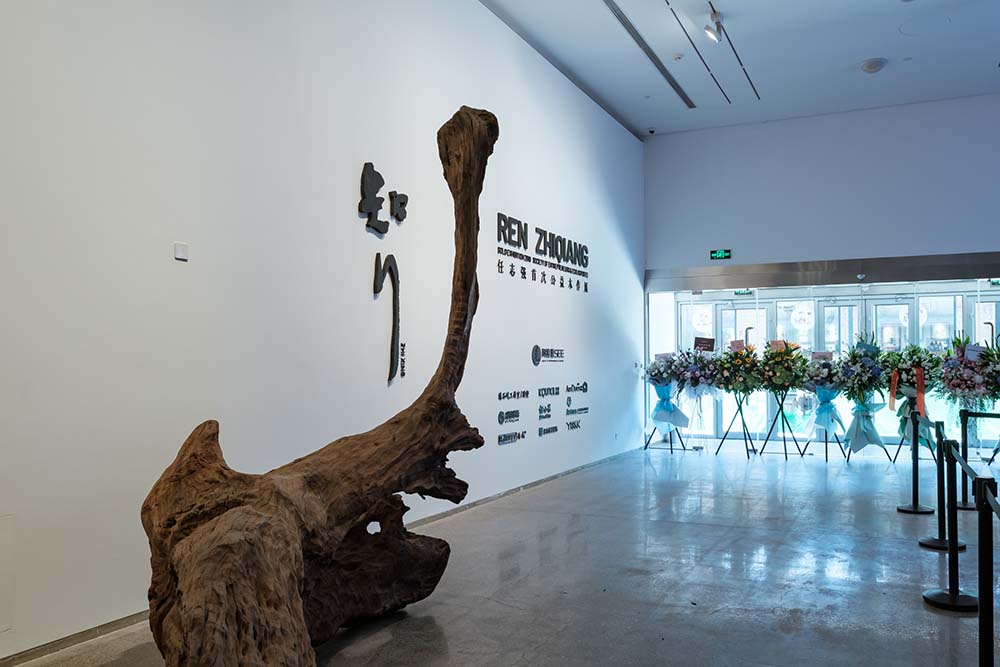
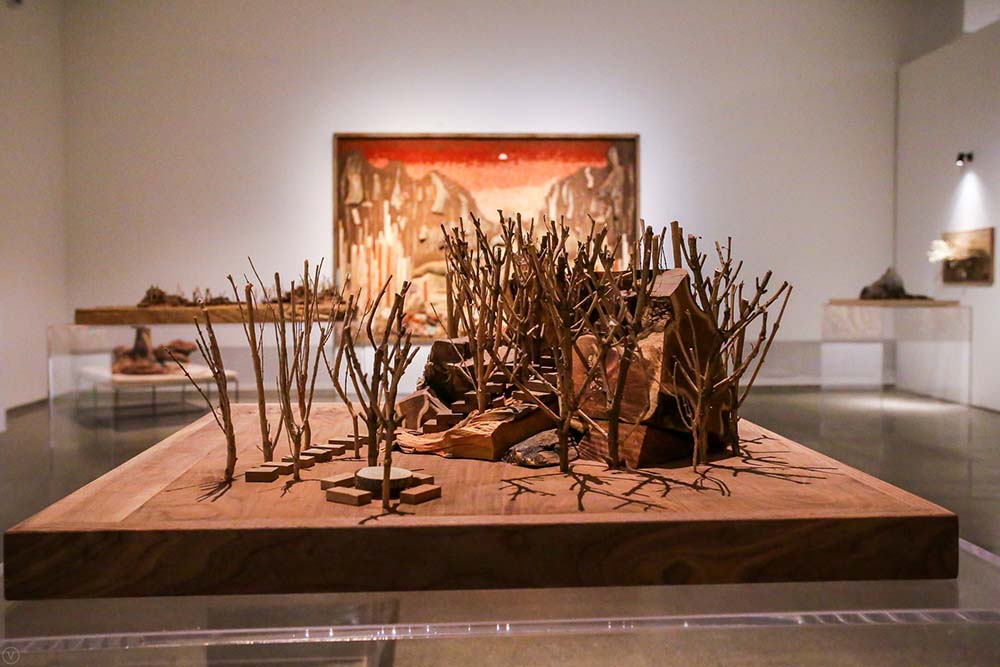
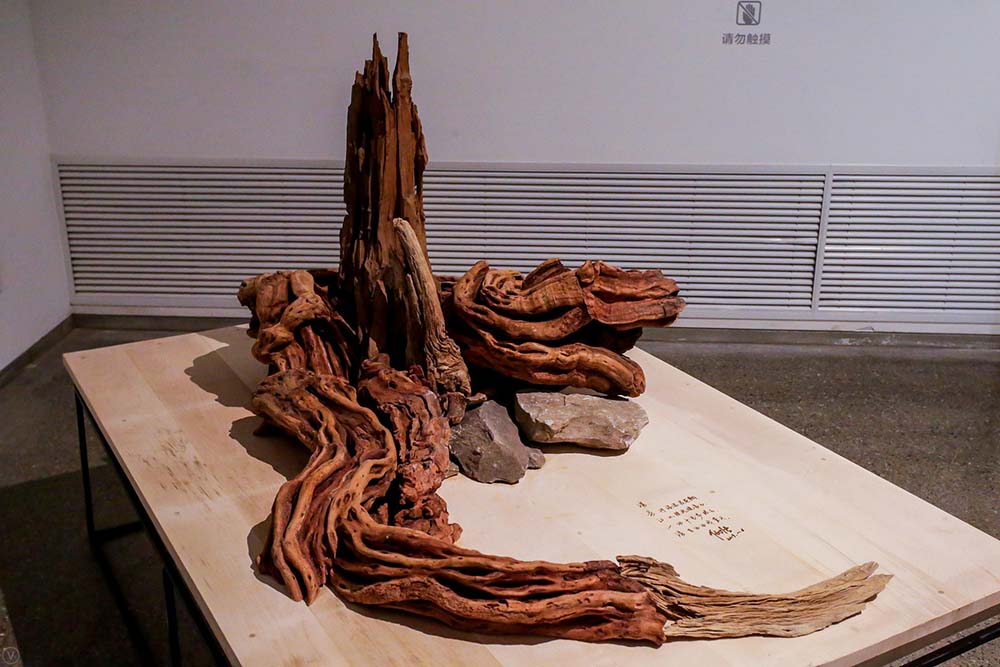
让构想成真的空间。
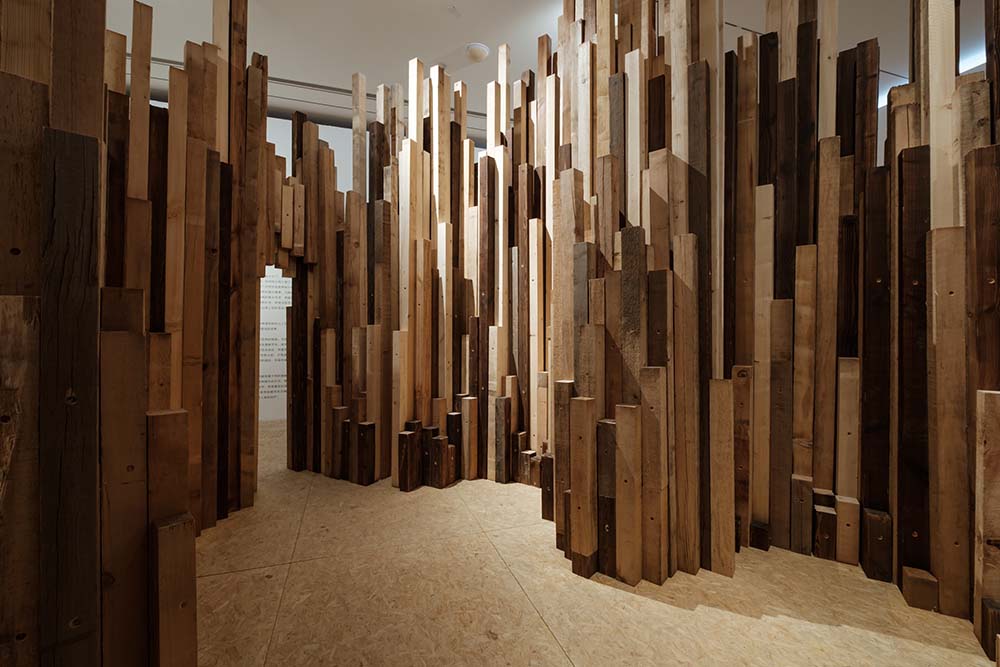
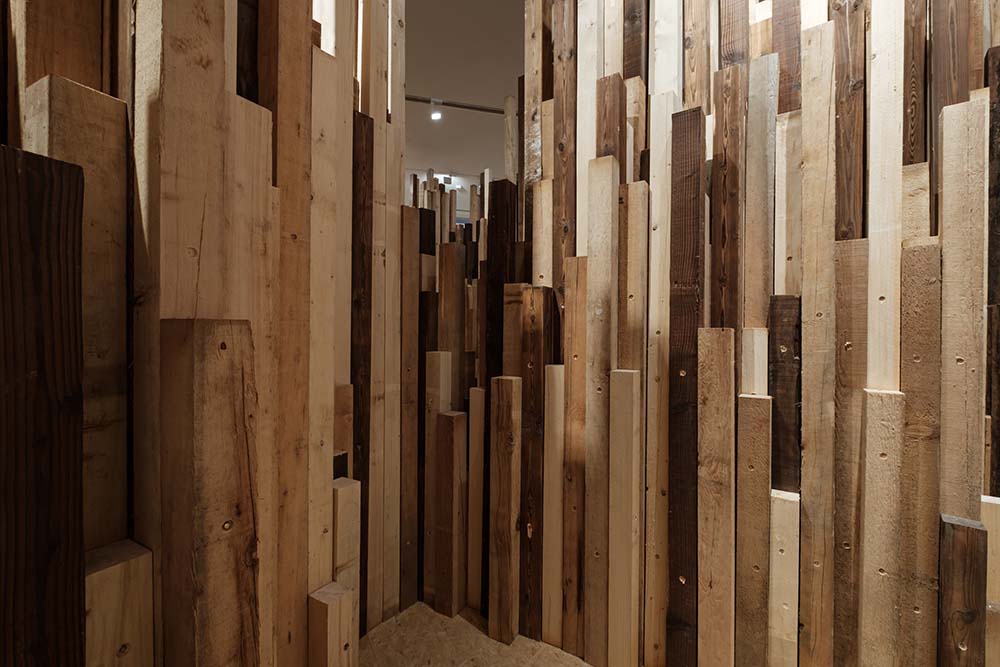
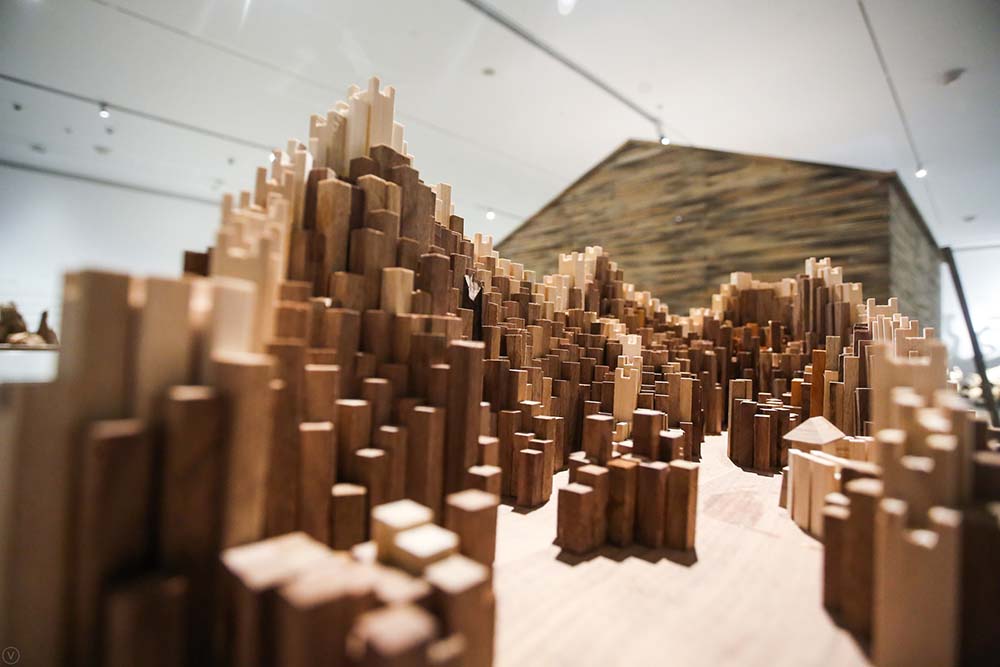
A line on paper became a plinth, a light, a wall, a room. In weeks, not months, the exhibition moved from sketch to space — without losing the idea along the way.
让构想成真的空间。
纸上的一条线,变成展台、灯光、墙面,最后成为一个房间。不是几个月,而是几周;展览从草图走进空间,最初的想法一路没有走丢。
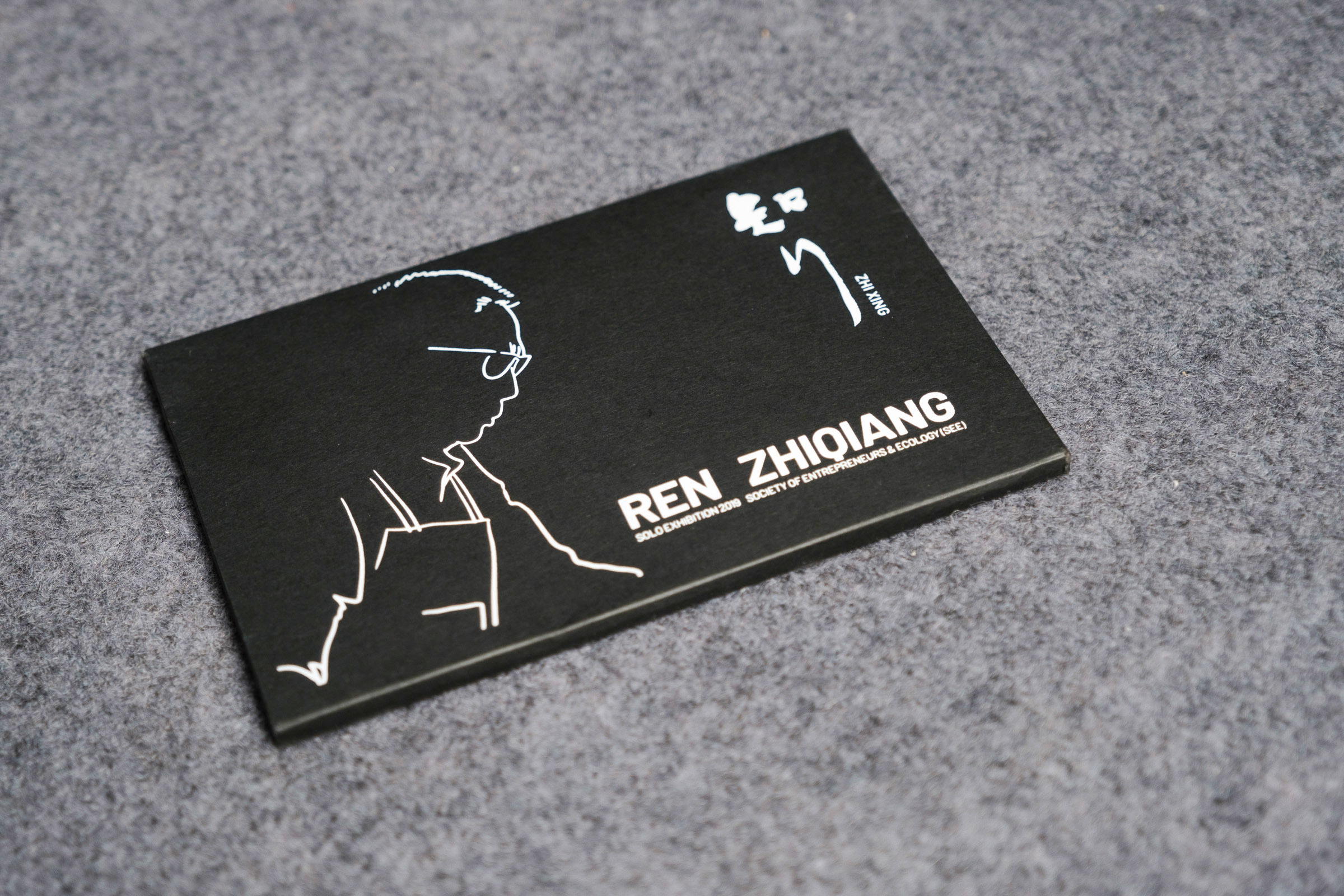
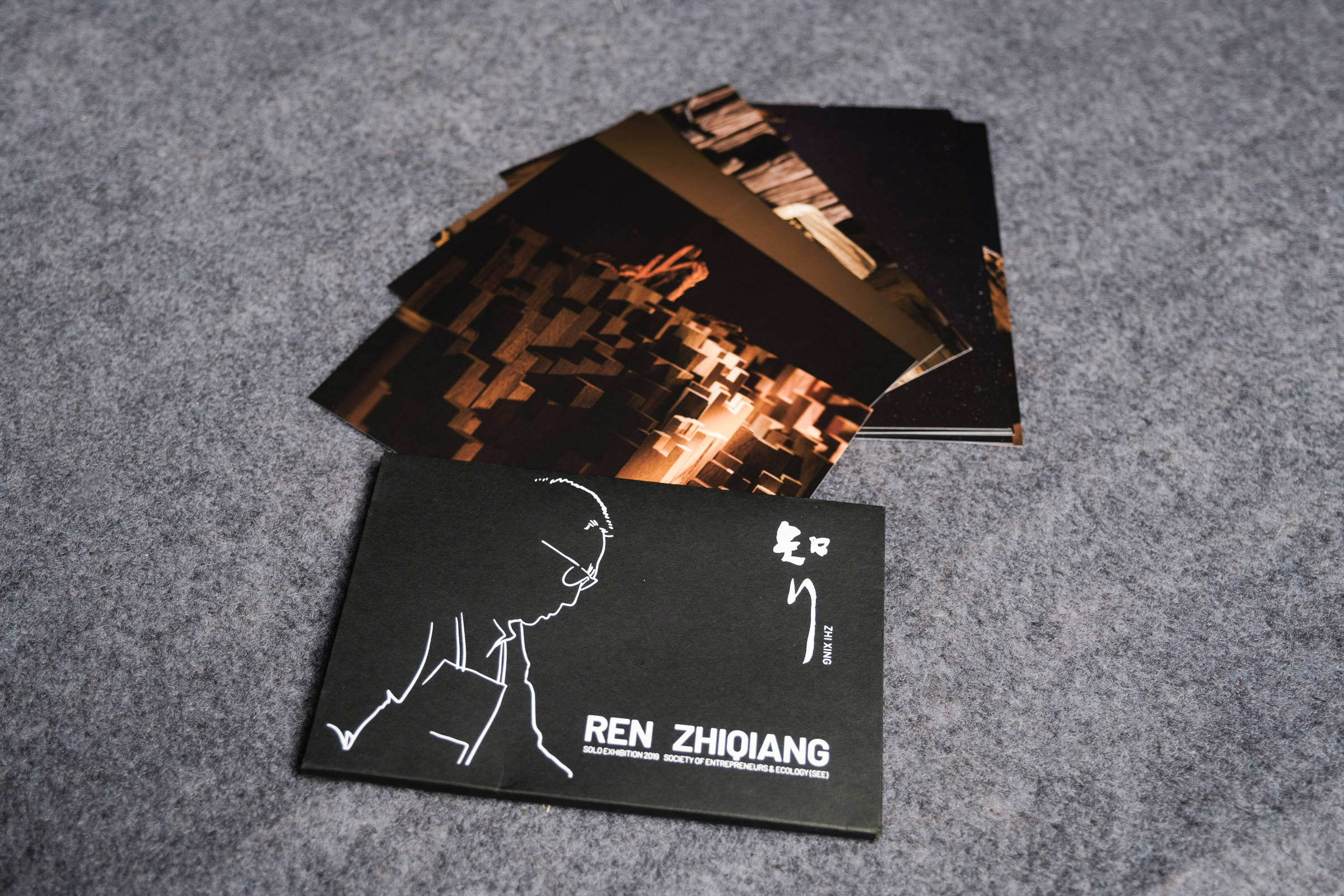
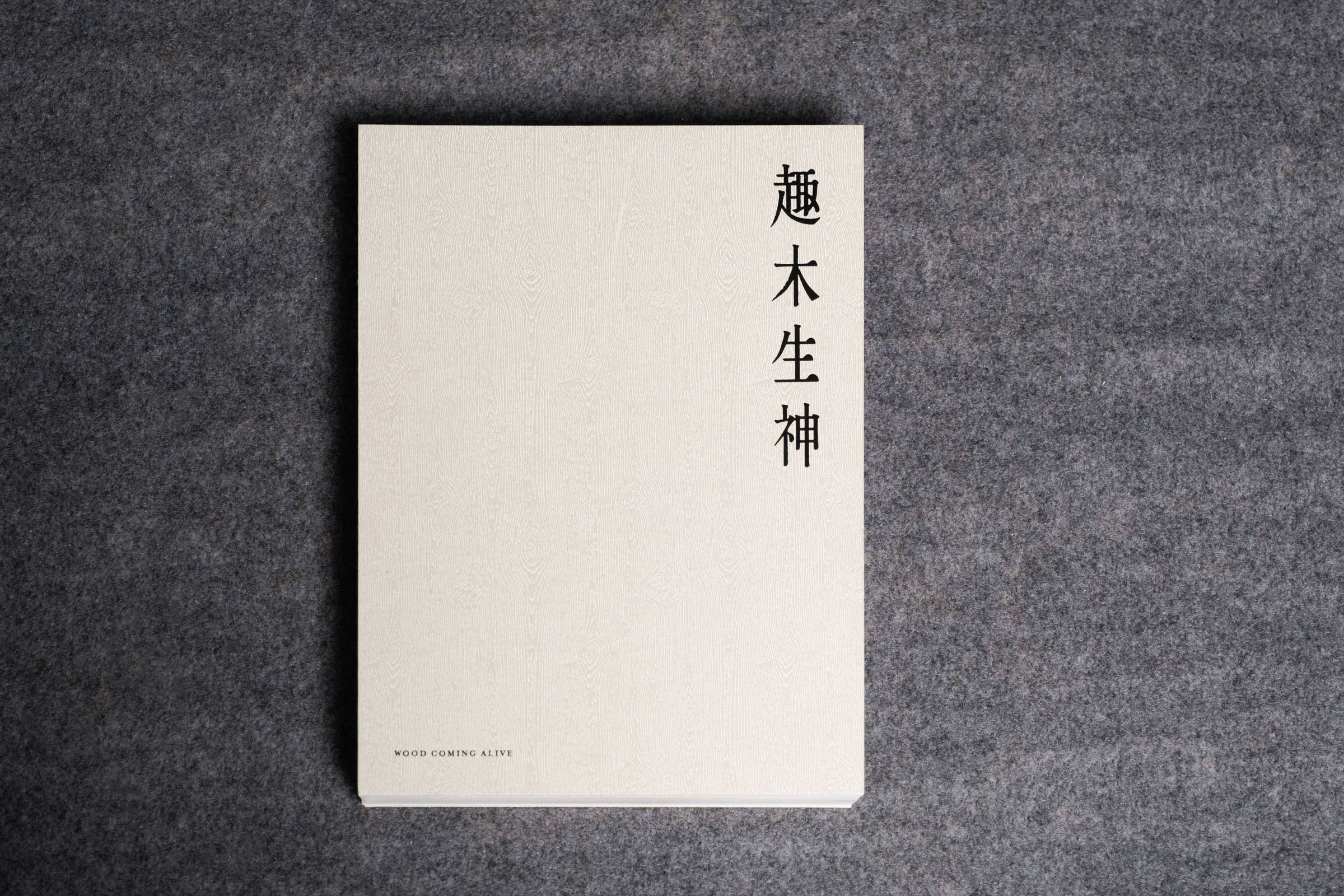
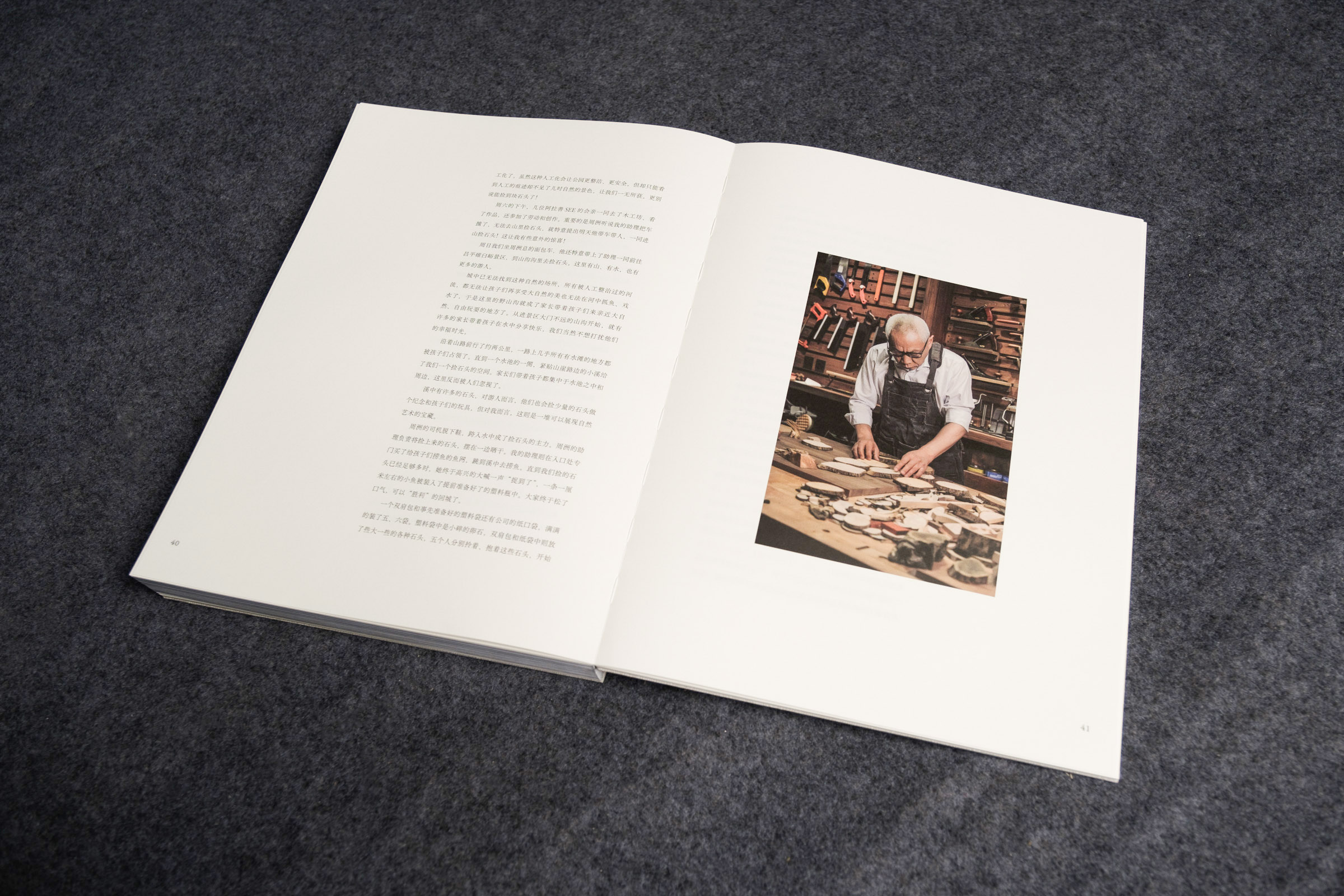
带一件回家。
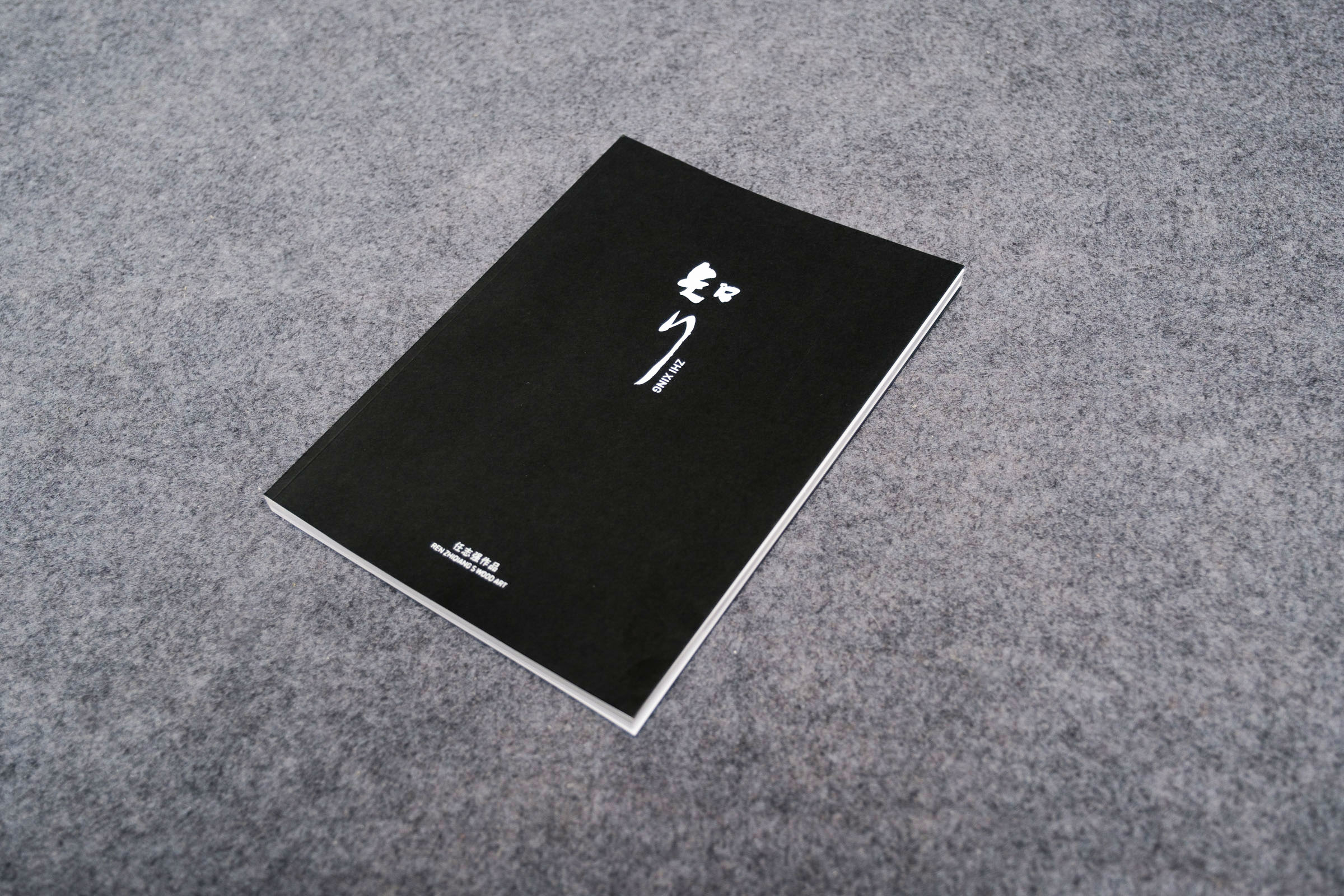
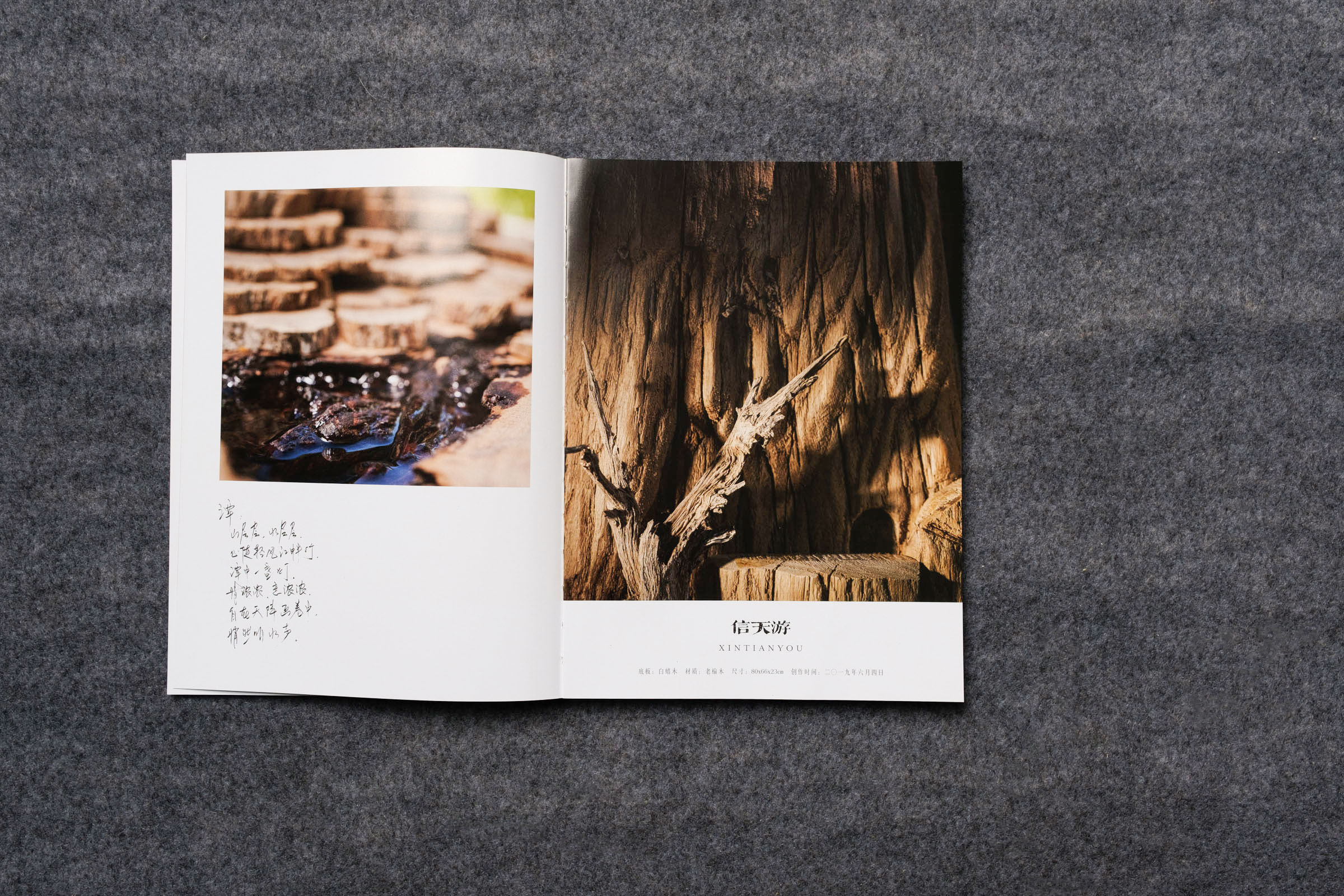
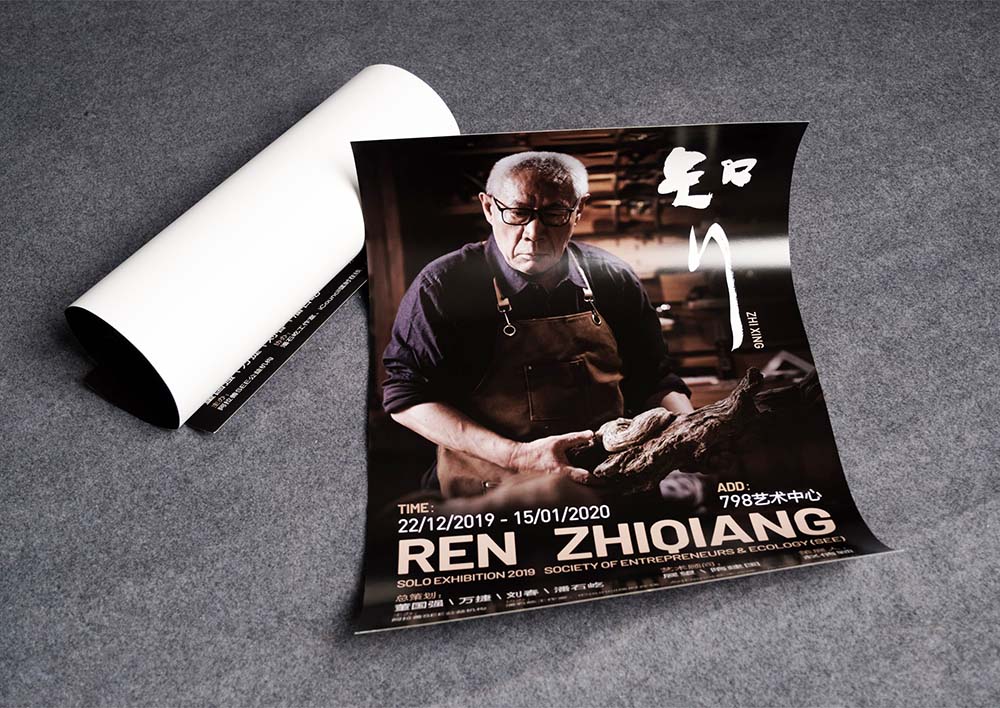
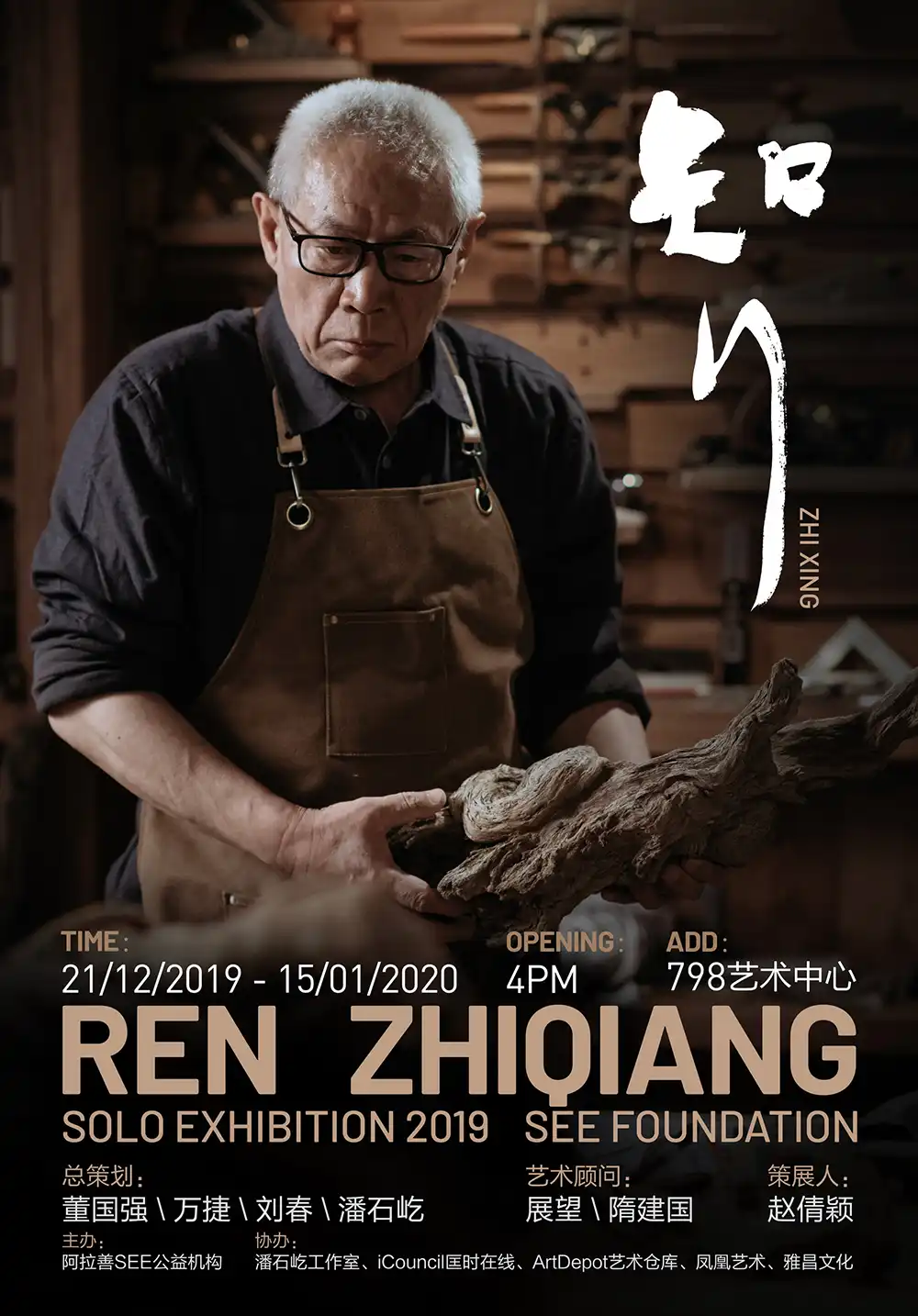
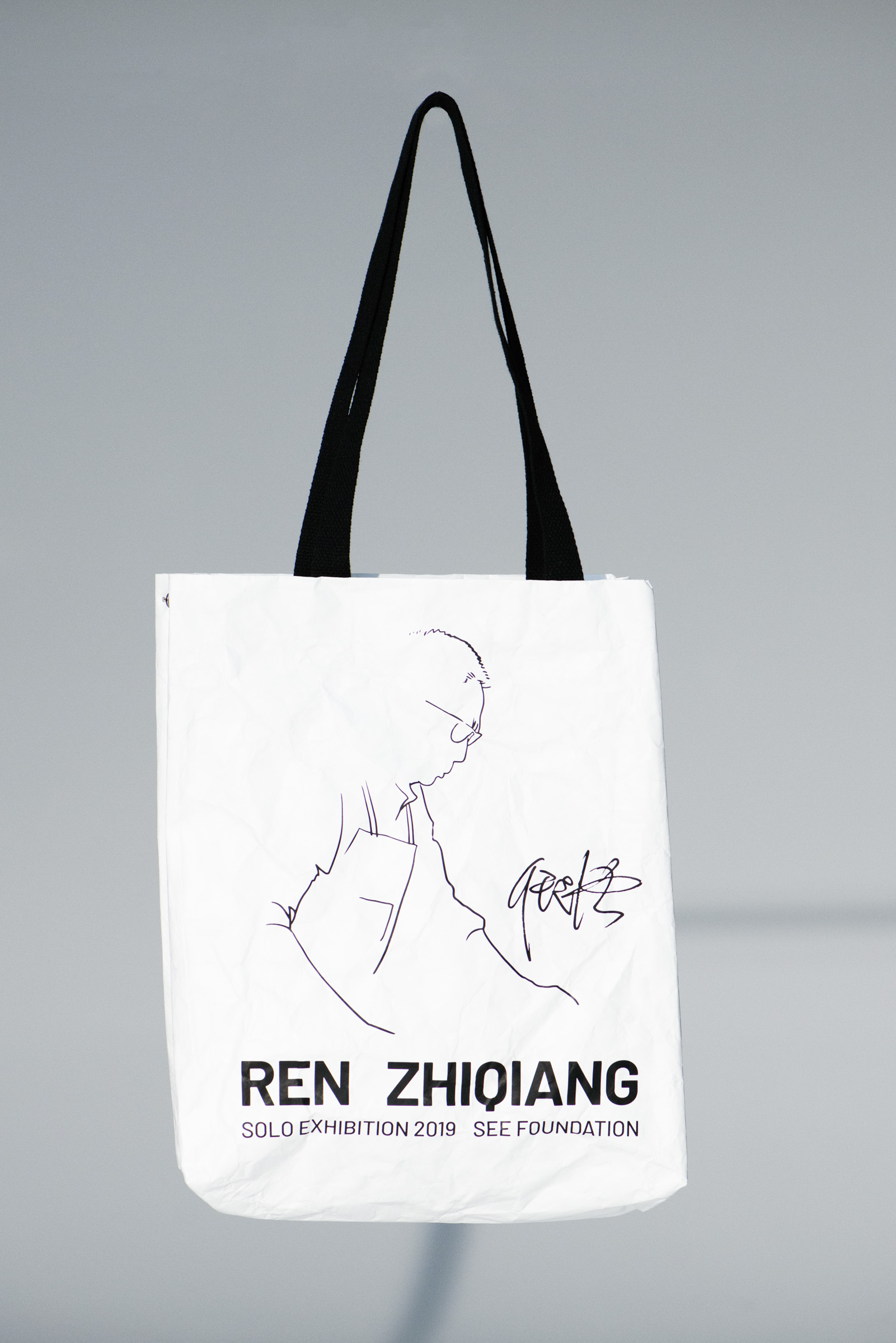
The exhibition had a shop — posters, prints, small goods. Designed as part of the overall experience. A way for visitors to carry the craft beyond the room.
带一件回家。
展览有一个商店——海报、印刷品、小物件。衍生品作为整体展陈体验的延伸,让访客把木作的温度带出房间。
然后,人来了。
Opening night. The room was full — not just with furniture, but with faces. Business leaders, artists, media. All there to see what craft looks like when it takes center stage.
然后,人来了。
开幕之夜。房间里满了——不只是家具,是一张张面孔。商业领袖、艺术家、媒体。全都来看手艺站上舞台时的样子。